Your Complete Guide to Choosing a Driving School in Coventry
If you’re ready to grab the wheel and earn your licence, Coventry offers a wealth of driving‑school options. This guide walks you through everything you need to know – from what to look for in a school, to the best providers in the city, to the practical steps that will get you road‑ready. All of it is written in a friendly, second‑person voice so you can picture yourself behind the wheel right now.
1. Why Coventry Is a Great Place to Learn to Drive
| Factor | What It Means for You | Why It Matters |
|---|---|---|
| Compact City Layout | Most lessons are under 30 minutes long because the training routes stay within the city centre, suburbs, and the A45 ring road. | Less time in traffic = more focused instruction and lower fuel costs. |
| Diverse Road Types | You’ll practice on everything from quiet residential streets to busy dual carriageways and the M6. | Gives you a well‑rounded skill set before you take the practical test. |
| Excellent Public Transport | If you need to get to a lesson after work, buses and the tram run frequently across the city. | Reduces the hassle of arranging a lift or parking. |
| Strong Track Record | Several Coventry schools report pass rates above the national average (78 % vs. 70 % for England). | Increases the odds that your first attempt will be successful. |
Coventry’s mix of urban and rural surroundings makes it an ideal training ground for new drivers. You’ll experience everything a modern British driver needs to master – roundabouts, speed cameras, school zones, and motorway merges – without having to travel far from home.
2. What to Look for When Picking a Driving School
- Accreditation & Instructor Qualifications – All schools must be approved by the Driver and Vehicle Standards Agency (DVSA). Look for “Approved Driving Instructor (ADI)” badges on the website.
- Pass Rate Transparency – Reputable schools publish their pass rates (usually on a rolling 12‑month basis).
- Lesson Flexibility – Evening, weekend, and intensive block bookings give you the freedom to fit lessons around work or study.
- Vehicle Fleet – Modern, well‑maintained cars with dual controls and automatic/manual options mean you can train in a vehicle you’ll eventually drive.
- Pricing Structure – Some schools charge per hour, others offer packages (e.g., 10‑lesson bundle with a mock test). Compare both the cost per hour and the total package price.
- Student Support – Access to theory‑test prep apps, mock‑test videos, and a dedicated helpline shows the school cares about your overall success.
3. Top Driving Schools in Coventry (2025)
| # | School | ADI Count | Pass Rate* | Typical Lesson Price (per hour) | Packages | Special Features |
|---|---|---|---|---|---|---|
| 1 | Coventry Driving Academy | 12 | 84 % | £28 | 5‑lesson (£135), 10‑lesson (£250) | Free mock test, in‑car video feedback |
| 2 | Midland Motor School | 9 | 80 % | £30 | 8‑lesson (£225) + theory kit | Automatic & manual fleet, weekend slots |
| 3 | All‑Roads Driving School | 7 | 78 % | £27 | 10‑lesson (£260) + free first lesson | Student discount for referrals |
| 4 | City Edge Driving | 5 | 81 % | £29 | 6‑lesson (£165) – includes theory lesson | Mobile app for lesson scheduling |
| 5 | Browns Driving College | 8 | 76 % | £31 | 12‑lesson (£350) – includes intensive weekend block | Free car insurance for first 6 months after passing |
*Pass rates are based on the most recent DVSA‑verified data (July 2024‑June 2025).
How to use this table
- If you’re budget‑conscious, All‑Roads offers the lowest hourly rate.
- If you value extra support, Coventry Driving Academy gives you a mock test and video feedback at no extra cost.
- For flexibility, City Edge’s mobile app makes rescheduling a click away.
4. The Step‑by‑Step Roadmap to Your Licence
Below is a practical checklist you can print and tick off.
| Step | What You Need to Do | Tips for Success |
|---|---|---|
| 1 – Theory Test Prep | Register on the DVSA GOV.UK site, buy the Highway Code ebook, and complete at least 30 practice questions daily. | Use the Driving Theory Test 4-in-1 app – it syncs your progress across devices. |
| 2 – Book the Theory Test | Choose a centre (Coventry – COV1 is most popular) and pick a slot 2‑3 weeks ahead. | Book the earliest morning slot; you’ll be fresher for the exam. |
| 3 – Pass the Theory Test | Score ≥ 43/50 (multiple‑choice) and ≥ 44/75 (hazard perception). | Take the hazard‑perception video practice twice before the real test. |
| 4 – Choose a Driving School | Use the table above to compare prices, pass rates, and features. | Schedule a trial lesson (most schools offer a free first lesson) before committing. |
| 5 – Book Practical Lessons | Aim for 2‑3 lessons per week to keep skills fresh. | Choose a mix of daytime and night lessons to cover different traffic conditions. |
| 6 – Practice With a Qualified Supervisor | After you have your provisional licence, you can drive with a supervising adult (over 21 and has held a full licence for 3 years). | Use this time for independent practice – focus on parking, reversing, and roundabouts. |
| 7 – Mock Practical Test | Request a mock test from your instructor (usually after 8‑10 lessons). | Treat it like the real test: wear your own shoes, bring your own documents, and keep nerves in check. |
| 8 – Book the Practical Test | The earliest slot is often 3‑4 weeks after your mock test. | Verify you have photocard licence, insurance, and a road‑worthy vehicle (your instructor’s car is usually used). |
| 9 – Pass the Practical Test | You’ll be assessed on eyesight, ‘show me, tell me’ questions, and a 40‑minute drive. | Keep your eyes on the examiner’s cues; if you’re unsure, ask for clarification. |
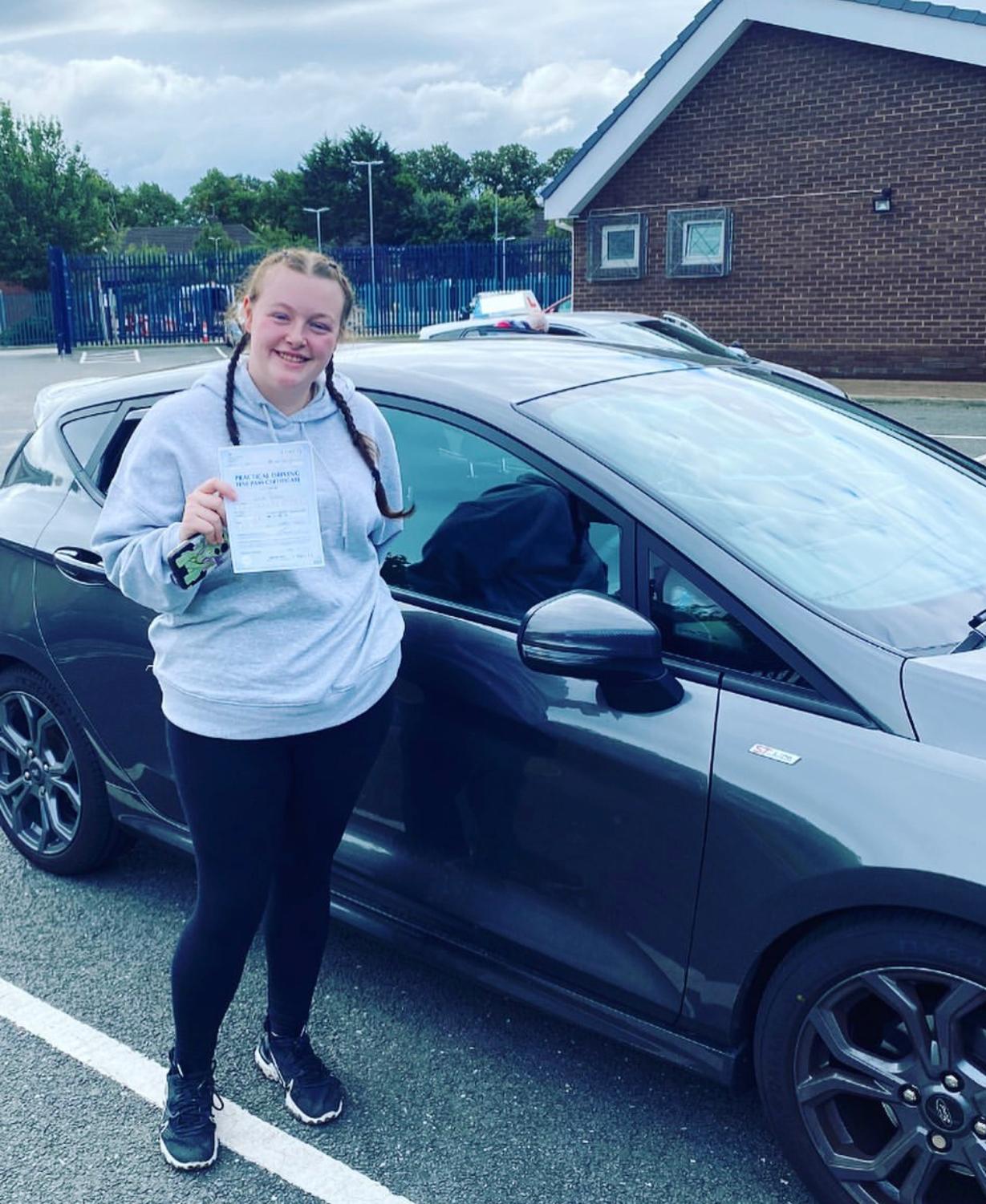
| 10 – Celebrate & Get Your Full Licence | The examiner will send you a pass certificate; your full licence arrives by post in 2‑3 weeks. | Consider buying a discounted car insurance policy for new drivers – many Coventry insurers offer ‘first‑year’ deals. |
5. Quick‑Hit Tips to Boost Your Pass Rate
- Start Early – The earlier you begin lessons after getting your provisional, the more mental “muscle memory” you build.
- Mix Manual & Automatic – Even if you plan to drive an automatic, training in a manual improves your control and awareness.
- Record Your Sessions – Mini‑dash cams (or your instructor’s video feedback) help you spot recurring mistakes.
- Focus on Hazard Perception – This is the biggest single cause of theory‑test failures. Replay the official DVSA clips and narrate what you’d do.
- Stay Calm on Test Day – Practice deep‑breathing techniques; a calm driver makes safer decisions.
6. Frequently Asked Questions (FAQ)
Q1: How many lessons do I really need before I’m ready for the practical test?
Answer: The DVSA recommends a minimum of 45 hours of professional instruction plus 20 hours of private practice. However, many students in Coventry pass after 10‑12 lessons when they’re consistent and supplement with supervised driving.
Q2: Can I take a driving test in an automatic car and later drive a manual?
Answer: Yes. A licence obtained in an automatic vehicle is restricted to automatics only. You would need to pass a separate practical test in a manual car to remove that restriction.
Q3: Are there any discounts for students or apprentices?
Answer: Several Coventry schools (e.g., All‑Roads and Midland Motor School) offer a 10 % discount for students who present a valid university or apprenticeship ID. It’s worth asking during your trial lesson.
Q4: What happens if I fail my practical test?
Answer: You can re‑book for the next available slot (usually within 2‑3 weeks). Most schools allow you to reuse the same car and instructor for free, but you’ll pay a new booking fee to the DVSA. Use the feedback from the examiner to target weak areas before the next attempt.
Q5: Do I need my own car for the test?
Answer: No. The practical test is always taken in the instructor’s training vehicle, which is automatically road‑worthy and insured for the exam.
Q6: How can I improve my “show me, tell me” knowledge?
Answer: Memorise the 13 standard questions (e.g., “How do you check that the brakes are working?”). Use flashcards or the DVSA’s official app to practice daily.
Q7: Is there any advantage to taking intensive lessons?
Answer: Intensive courses (e.g., 5‑day blocks) can be cost‑effective and keep information fresh, but they may be stressful for beginners. If you already have some driving experience, an intensive route can accelerate your progress.
7. Final Thoughts – Your Path to Independence
Choosing a driving school in Coventry is more than just ticking a box on a local directory. It’s about aligning the school’s strengths with your personal learning style, budget, and schedule. By using the comparison table, following the step‑by‑step checklist, and adopting the practical tips above, you’ll be able to make an informed decision and accelerate your journey toward a full UK licence.
Remember: The road to independence is a marathon, not a sprint. Consistency, preparation, and a supportive instructor are the three pillars that will hold you up when the traffic gets heavy and the nerves start to kick in.
So, grab a pen, mark the schools you’re interested in, book that free trial lesson, and start visualising yourself cruising down the A45 with confidence. Coventry’s streets are waiting – and the next turn you take could be the one that leads you straight to your licence.
Safe driving!